Finding confidence, support and success at work through Disability Impact Training
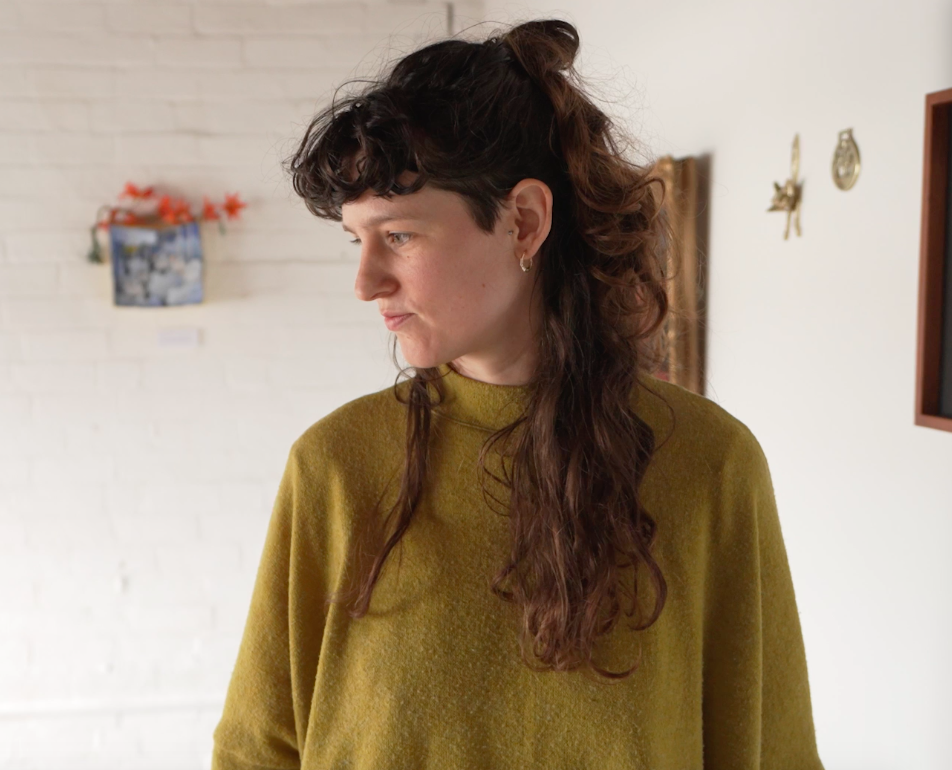
A natural portrait of Chloe standing indoors in a bright, welcoming space. She wears a mustard-green jumper and looks thoughtfully to one side, with dark wavy hair partially tied back.
Chloe's Story
Returning to work after autistic burnout can be daunting. For Chloe, starting her first job after a period away from employment brought both excitement and uncertainty. Looking back a year after completing SIC’s Disability Impact Training (DIT), she describes the programme as an essential source of support that helped her navigate both professional challenges and personal growth.
"Disability Impact Training has been an amazing source of support in starting my first job since returning to work after autistic burnout. I honestly don't know how I would have coped without it."
Through DIT, Chloe found a safe and understanding space to explore how her neurodivergence and mental health affect her experience in the workplace. For the first time, she was able to speak openly about challenges she had previously struggled to articulate, while also beginning to challenge internalised ableism and self-limiting beliefs.
"The process has felt expansive and hopeful – like coming to accept myself and be practical about my needs and how I work best, rather than being ashamed for the ways I don't fit the expected mould."
Practical support that creates lasting change
One of the most valuable aspects of the training was the practical guidance Chloe received around workplace adjustments and self-advocacy. Together with the SIC team, she explored what support would genuinely help her succeed, rather than settling for what she felt comfortable asking for.
This included:
Support before and after receiving an autism diagnosis
Guidance around reasonable adjustment conversations
Encouragement to identify and communicate workplace needs confidently
Help with Personal Independence Payment (PIP) applications
Learning more about autism and concepts such as the "spiky profile"
Recognising personal strengths and how to leverage them effectively at work
For Chloe, these conversations have had a lasting impact, helping her build confidence in advocating for herself and creating a working environment where she can thrive.
A different kind of support
Having previously encountered disability support services that felt inflexible, impersonal or lacking genuine understanding, Chloe found SIC's approach refreshingly different.
"Working with SIC is the opposite. The team is so friendly, understanding and flexible. I feel like I make sense, like my requests for adjustments are perfectly reasonable and no issue to accommodate."
What stood out most was the lived experience and authentic understanding within the team.
"I really have the sense that this is a neurodivergent-led team, and how wonderful it feels to work with people on the same wavelength, who are genuinely committed to inclusive ways of working."
Rather than navigating rigid systems, Chloe describes feeling supported by real people who approach every conversation with care, compassion and creativity.
"I really value SIC's flexibility and how it feels like you are working with understanding humans rather than faceless machines."
Would Chloe recommend Disability Impact Training?
Her answer is simple.
"I'd say do it! I couldn't recommend SIC more highly!"
For individuals navigating work, diagnosis, burnout recovery or workplace adjustments, Disability Impact Training provides more than information and guidance. It offers understanding, practical tools and the confidence to advocate for what you need to succeed.
Chloe's experience demonstrates how the right support can transform not only someone's working life, but also the way they view themselves and their future.